Ever found yourself halfway through a recipe, holding a measuring cup and wondering, "Wait, how many ounces are in this thing?" Or maybe you're trying to figure out if you're drinking enough water each day?
I've been there too. That's why I put together this complete guide to fluid ounce conversions. Whether you're cooking, tracking hydration, or just curious, you'll find clear answers here without the confusing math.
What You'll Learn
Quick Answers to Common Questions
Let's cut straight to the chase. Here are the answers to the questions people search for most:
How many ounces in a gallon?
128 fluid ounces
That's 16 cups or 8 pints. Perfect for tracking daily water intake.
How many ounces in a liter?
33.8 fluid ounces
Slightly more than a quart (32 oz). Most water bottles are 500ml or 1L.
How many ounces in a cup?
8 fluid ounces
The standard US measuring cup. Double it for a pint (16 oz).
How many ounces in a pint?
16 fluid ounces
That's 2 cups. Think standard beer glass or ice cream container.
Easy Conversion Tables
Bookmark these tables for quick reference. I use them all the time in my kitchen.
US Liquid Measurements
| Unit | Fluid Ounces | Equivalent To | Real-Life Example |
|---|---|---|---|
| 1 teaspoon | 0.17 fl oz | 1/6 ounce | Vanilla extract in cookies |
| 1 tablespoon | 0.5 fl oz | 3 teaspoons | Salad dressing |
| 1 fluid ounce | 1 fl oz | 2 tablespoons | Standard shot |
| 1 cup | 8 fl oz | 16 tablespoons | Standard coffee mug |
| 1 pint | 16 fl oz | 2 cups | Ice cream container |
| 1 quart | 32 fl oz | 2 pints | Milk carton |
| 1 gallon | 128 fl oz | 4 quarts | Large milk jug |
| Kisskind bottle | 40 fl oz | 5 cups | Perfect daily hydration |
Metric to US Conversions
| Metric Unit | Fluid Ounces | Closest US Measure | Common Uses |
|---|---|---|---|
| 100 ml | 3.4 fl oz | Slightly over 1/3 cup | TSA liquid limit |
| 250 ml | 8.5 fl oz | Slightly over 1 cup | Metric "cup" |
| 500 ml | 16.9 fl oz | Slightly over 1 pint | Standard water bottle |
| 1 liter | 33.8 fl oz | Slightly over 1 quart | Large beverage bottle |
US vs Imperial: Why It Matters
Here's something that tripped me up when I tried a British baking recipe: not all "ounces" are created equal. The US and UK use different systems, and it can really mess up your measurements if you're not careful.
US Customary System
- 1 US cup = 8 US fluid ounces
- 1 US pint = 16 US fluid ounces
- 1 US quart = 32 US fluid ounces
- 1 US gallon = 128 US fluid ounces
Used in the United States for most everyday measurements.
Imperial System (UK)
- 1 Imperial cup = 10 Imperial fluid ounces
- 1 Imperial pint = 20 Imperial fluid ounces
- 1 Imperial quart = 40 Imperial fluid ounces
- 1 Imperial gallon = 160 Imperial fluid ounces
Used in the United Kingdom and some Commonwealth countries.
Important: An Imperial gallon is about 20% larger than a US gallon! If you're following a recipe from the UK, you might need to adjust measurements.
Cooking & Baking Conversions
As someone who loves to bake, I've learned that precise measurements matter. Here are the conversions I use most often in my kitchen:
Handy Kitchen Shortcuts
- 3 teaspoons = 1 tablespoon
- 2 tablespoons = 1 fluid ounce
- 4 tablespoons = 1/4 cup
- 8 tablespoons = 1/2 cup
- 16 tablespoons = 1 cup
- 1 stick butter = 8 tablespoons = 1/2 cup
- 1 cup all-purpose flour ≈ 4.5 ounces (weight)
- 1 cup granulated sugar ≈ 7 ounces (weight)
Fluid vs Weight Ounces: What's the Difference?
This is probably the most confusing part for people. I used to get them mixed up all the time!
Fluid ounces (fl oz) measure volume - how much space something takes up. Use these for liquids like water, milk, or oil.
Ounces (oz) measure weight - how heavy something is. Use these for dry ingredients like flour, sugar, or produce.
The good news: 1 fluid ounce of water weighs about 1 ounce. But this doesn't hold true for other liquids or ingredients.
Hydration Tips with Kisskind Bottles
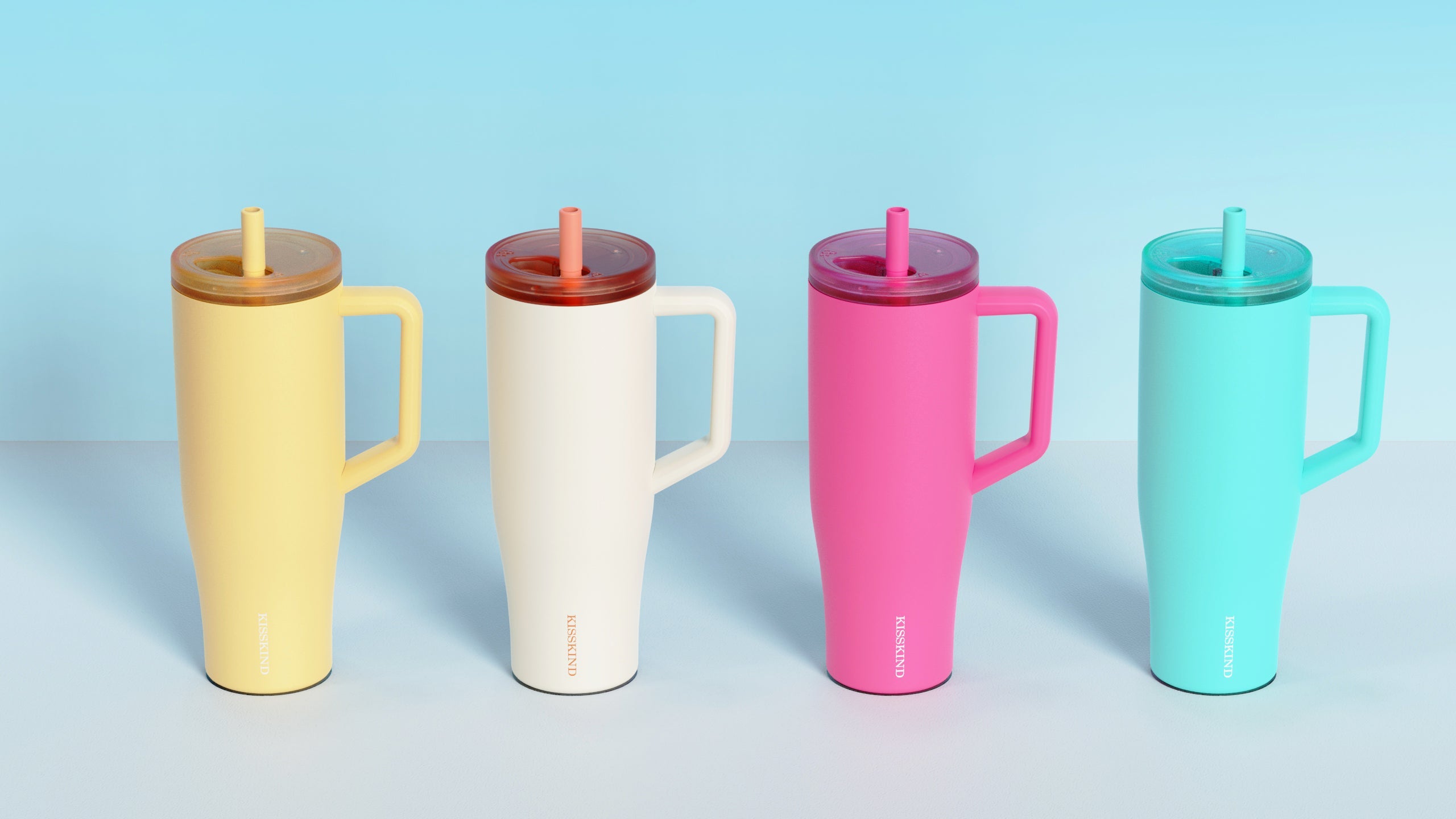
I used to struggle with drinking enough water until I got my 40-ounce Kisskind bottle. Here's how it makes hydration tracking simple:
Your Daily Hydration Made Easy
The standard recommendation is eight 8-ounce glasses per day, which equals 64 ounces. But let's make it even simpler:
- 1 Kisskind bottle = 40 fluid ounces
- 1.5 Kisskind bottles = 60 fluid ounces (great starting point)
- 2 Kisskind bottles = 80 fluid ounces (excellent hydration)
- 3.2 Kisskind bottles = 128 fluid ounces (1 full gallon)
Personally, I aim for 1.5 to 2 bottles per day, depending on my activity level. The measurement markings on the side make it easy to track throughout the day.
Travel & TSA Liquid Rules
If you've ever been confused at airport security about how much liquid you can bring, you're not alone. Here's the simple breakdown:
TSA 3-1-1 Rule Made Simple
- 3.4 ounces - Maximum container size for carry-ons
- 1 quart-sized bag - All your liquid containers must fit in one
- 1 bag per passenger - That's it!
Remember: 3.4 ounces = 100 milliliters. This is why travel-sized products are usually this size.
Pro tip: Empty your Kisskind bottle before security, then fill it up at a water fountain once you're through. The 40-ounce size is perfect for staying hydrated during long flights.
Common Questions Answered
How many ounces in a gallon of water?
There are 128 fluid ounces in a US gallon of water. This is the standard measurement for water jugs and large beverage containers in the United States.
How many ounces in a liter of soda?
There are approximately 33.8 fluid ounces in a liter. Most 2-liter soda bottles contain about 67.6 fluid ounces.
How many 8 oz cups in a gallon?
There are 16 eight-ounce cups in a gallon (128 ÷ 8 = 16). This is where the "drink eight 8-ounce glasses of water a day" recommendation comes from - it's exactly half a gallon.
How many ounces in a cup of flour?
This is tricky because flour is measured by weight, not volume. However, 1 cup of all-purpose flour typically weighs about 4.5 ounces. For accurate baking, I recommend using a kitchen scale.
How many Kisskind bottles should I drink per day?
For most people, 1.5 to 2 Kisskind bottles (60-80 ounces) is a great daily target. If you're very active or live in a hot climate, aim for 2 bottles or more.
Why are US and UK fluid ounces different?
This dates back to the 19th century when the US and UK standardized their measurement systems separately. The difference is small for small amounts but adds up - an Imperial gallon is 20% larger than a US gallon!
Try Our Conversion Tool
Need to convert something not covered here? Use our interactive tool below:
Bookmark this page for quick access to all your conversion needs!
Wrapping Up
Understanding fluid ounce conversions doesn't have to be complicated. Whether you're cooking, tracking hydration, or packing for a trip, I hope this guide has made things clearer.
Remember the key takeaways:
- 1 US gallon = 128 fluid ounces
- 1 liter = 33.8 fluid ounces
- 1 cup = 8 fluid ounces
- US and Imperial measurements are different
- Your Kisskind bottle makes hydration tracking simple
What conversion questions do you still have? Let me know in the comments below!