Table of Contents
- 1 Quick Answer: How Many Ounces in a Gallon?
- 2 Real-World Applications
- 3 Simple Conversion Formulas
- 4 Interactive Conversion Tool
- 5 Water Bottle Guide for Hydration
- 6 Popular Water Bottle Brands Comparison
- 7 Common Mistakes to Avoid
- 8 Advanced Conversion Concepts
- 9 Related Conversion Guides
- 10 Frequently Asked Questions
1 Quick Answer: How Many Ounces in a Gallon?
If you're short on time, here's the essential answer:
- US Liquid Gallon = 128 fluid ounces
- UK Imperial Gallon = 160 fluid ounces
Quick Tip: Most Americans only need to remember 128 ounces per gallon. I've found this number comes in handy more often than you'd think - from mixing cleaning solutions to planning party drinks.
But here's where it gets interesting - understanding this conversion can completely transform how you track your hydration. As someone who's tested dozens of water bottles, I can tell you that knowing your ounces makes hitting daily water goals much easier.
Why This Conversion Matters
The gallon-to-ounce conversion isn't just a mathematical curiosity - it's a practical tool that affects multiple aspects of daily life. From understanding nutrition labels to mixing cleaning solutions, this conversion appears in unexpected places.
For instance, many liquid medications and supplements provide dosage instructions in ounces, while containers are often measured in gallons. Understanding this relationship ensures you're always prepared with the right measurements.
2 Real-World Applications
Hydration Made Simple
Let's be honest - most of us struggle to drink enough water. But when you understand that a gallon equals 128 ounces, tracking becomes straightforward.
Perfect for Your 40oz Tumbler
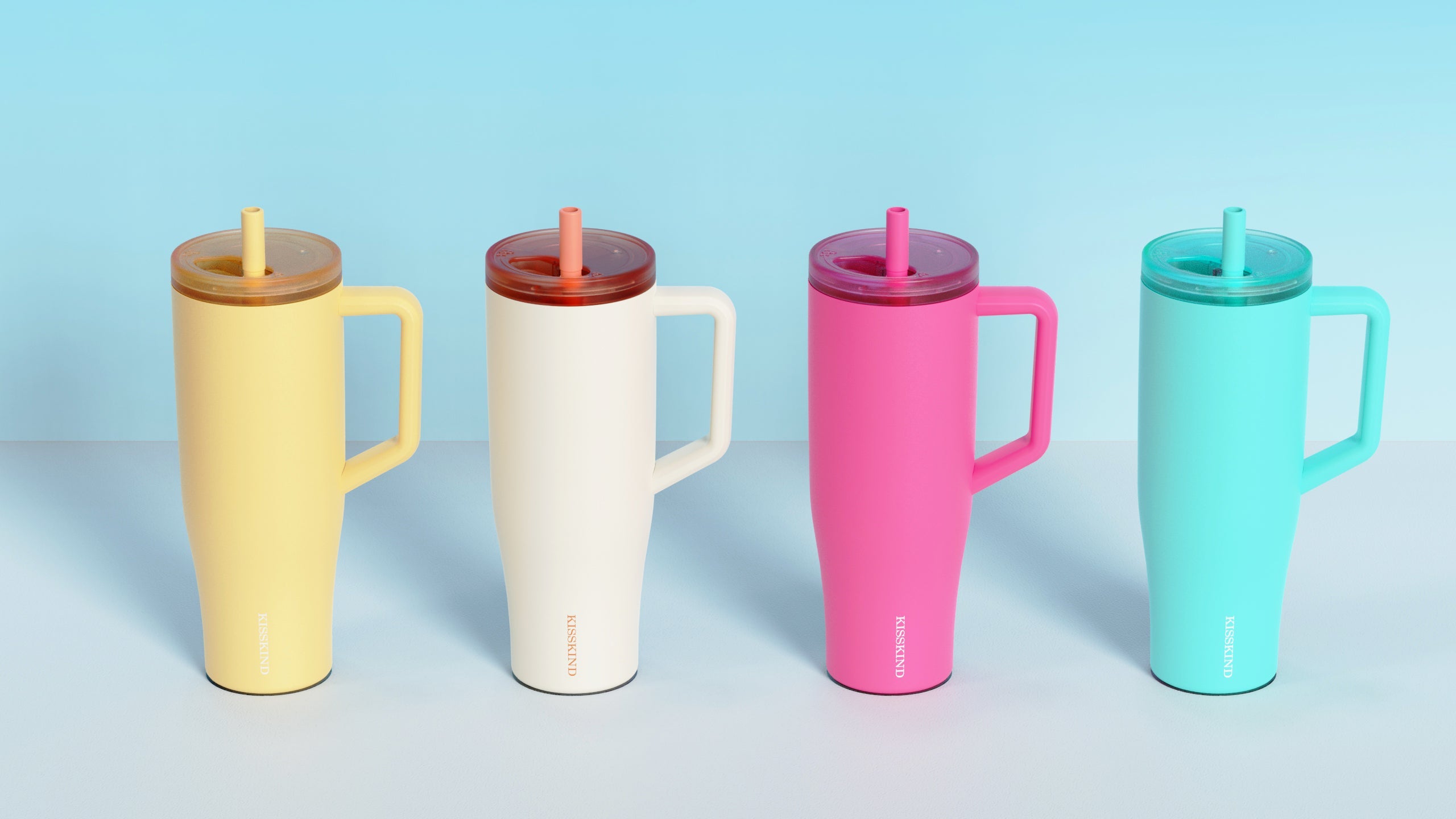
If you're using a 40oz tumbler like our Lumi Spin, here's the math:
128 ounces (1 gallon) ÷ 40 ounces = 3.2 refills per day
In practice, this means filling your tumbler 3 times and drinking about two-thirds of the fourth fill. I've found this system works beautifully - no complicated apps needed!
Cooking and Meal Prep
Ever tried doubling a soup recipe only to realize you're not sure how many ounces are in that giant pot? I've been there. Knowing gallon conversions saves the day.
Kitchen Tip: When I'm meal prepping, I keep a simple conversion cheat sheet on my fridge. For quick reference: 1 gallon = 16 cups = 128 ounces. This has saved me from more than one kitchen disaster!
Planning Events
Whether you're hosting a backyard BBQ or office party, knowing your gallon conversions ensures you never run out of drinks. Here's a quick guide I use:
| Bottle Size | Bottles per Gallon | For 20 Guests |
|---|---|---|
| 8 oz (juice box) | 16 bottles | ~320 bottles |
| 12 oz (soda can) | 10.7 bottles | ~214 bottles |
| 16.9 oz (standard water bottle) | 7.6 bottles | ~152 bottles |
| 20 oz (sports bottle) | 6.4 bottles | ~128 bottles |
| 24 oz (standard tumbler) | 5.3 bottles | ~106 bottles |
| 33.8 oz (liter bottle) | 3.8 bottles | ~76 bottles |
| 40 oz (large tumbler) | 3.2 bottles | ~64 bottles |
Fitness and Sports Nutrition
Athletes and fitness enthusiasts often need precise hydration measurements. Many sports nutrition plans specify water intake in ounces, while sports drinks are often sold in gallons. Understanding this conversion helps you:
- Properly dilute concentrated sports drinks
- Track hydration during training
- Calculate water needs based on body weight and activity level
- Prepare electrolyte solutions correctly
3 Simple Conversion Formulas
You don't need to be a math whiz to convert gallons to ounces. Here are the simple formulas I use:
US System: Gallons × 128 = Fluid Ounces
UK System: Gallons × 160 = Fluid Ounces
Quick Reference Chart
Save this chart for when you need quick answers:
| Gallons | US Fluid Ounces | Common Equivalent |
|---|---|---|
| 1/8 | 16 oz | Standard water bottle |
| 1/4 | 32 oz | Quart-sized container |
| 1/2 | 64 oz | Half-gallon jug |
| 3/4 | 96 oz | Common large juice container |
| 1 | 128 oz | Standard gallon jug |
| 1.5 | 192 oz | Small beverage dispenser |
| 2 | 256 oz | Two-gallon container |
| 5 | 640 oz | Standard water cooler bottle |
Memory Trick: I remember that 128 is 27 (2×2×2×2×2×2×2). It might seem silly, but this little trick has helped me recall the number countless times!
Converting Between US and UK Systems
If you frequently work with both US and UK measurements, here's the conversion between the two systems:
- 1 US gallon = 0.8327 UK gallons
- 1 UK gallon = 1.2009 US gallons
- 1 US fluid ounce = 0.9608 UK fluid ounces
- 1 UK fluid ounce = 1.0408 US fluid ounces
This becomes particularly important when following international recipes or working with imported products.
Video Explanation
For a visual explanation of gallon to ounce conversions, check out this helpful video from Math with Mr. J:
This video clearly demonstrates the conversion process between gallons and fluid ounces, providing additional context for visual learners.
4 Interactive Conversion Tool
No more mental math! Use our converter for instant calculations:
Volume Conversion Calculator
Convert between gallons, ounces, liters, and more with our easy-to-use tool.
Pro Tip: I keep this converter bookmarked on my phone - it's perfect for quick calculations at the grocery store or when trying new recipes.
5 Water Bottle Guide for Hydration
As someone who's tested nearly every type of water bottle on the market, I can tell you that the right bottle makes all the difference. Here's what I've learned:
Why 40oz Tumblers Are Perfect for Gallon Tracking
After using everything from small sports bottles to giant half-gallon containers, I've found that 40oz tumblers hit the sweet spot. Here's why:
- Easy Math: 3.2 fills = 1 gallon (easy to remember as "a bit over 3")
- Portable: Fits in most car cup holders
- Less Frequent Refills: More hydration with fewer trips to the sink
- Temperature Control: Keeps drinks cold for hours
Product Analysis: Kisskind 40oz Lumi Spin Tumbler
As a notable contender in the 40oz tumbler market, the Kisskind Lumi Spin series has undergone multiple iterations, developing distinct advantages in practicality and design details. Here's an objective analysis:
Advantages
- Hidden Straw Design: Rotates to fully conceal the silicone spout, effectively protecting against dust and insects while saving space during storage.
- Fully Transparent & Removable Structure: Features a transparent top lid for clear visibility inside; all components are detachable for thorough, no-hidden-area cleaning.
- Lightweight Experience: Approximately 100g lighter than mainstream 40oz competitors, reducing strain during prolonged use.
- Silicone Base with Suction Effect: Provides excellent grip and stability, minimizing the risk of tipping.
- Quality Comparable to Established Brands: Through multiple upgrades, it matches the insulation and durability of popular premium tumblers while being more competitively priced.
- Reliable After-Sales Support: Committed to addressing any quality issues with comprehensive customer service.
Points to Note
- Lower Brand Recognition: As a younger brand, its market awareness is still growing compared to industry giants.
- More Limited Color Selection: Offers fewer color and style variations than some well-known brands, though core colors are available.
- Context of Early Reviews: Some critical feedback from earlier versions has been addressed and resolved in the current fourth-generation Lumi Spin series.
For consumers seeking a high-value 40oz tumbler, Kisskind's innovations in hygiene, lightweight design, and thoughtful details are worth considering. Its transparent, removable construction and hidden straw effectively tackle common cleaning frustrations, while its accessible price offers a practical alternative for value-conscious users.
Bottle Refill Guide
No matter what size bottle you use, here's how many refills you need for a gallon:
| Bottle Size | Refills per Gallon | Best For |
|---|---|---|
| 8 oz | 16 refills | Desk workers, children |
| 12 oz | 10.7 refills | Soda drinkers, short outings |
| 16.9 oz | 7.6 refills | Standard bottled water users |
| 20 oz | 6.4 refills | Quick workouts, commuting |
| 24 oz | 5.3 refills | Gym sessions, half-day outings |
| 32 oz | 4 refills | All-day hydration, serious athletes |
| 40 oz | 3.2 refills | Serious hydrators, all-day events |
| 64 oz | 2 refills | Minimal refill lovers, long trips |
| 1 Liter (33.8 oz) | 3.8 refills | International travel, metric users |
Find Your Perfect Water Bottle
Explore the Kisskind 40oz Lumi Spin Tumbler with its innovative hidden straw design
View Details6 Popular Water Bottle Brands Comparison
With so many water bottle options on the market, it can be overwhelming to choose. Here's a detailed comparison of popular brands to help you decide:
| Brand/Model | Key Features | Capacity Options | Price Range | Best For |
|---|---|---|---|---|
| Kisskind Lumi Spin | Hidden straw design, lightweight, leak-proof, affordable | 40oz | $25-35 | Hygiene-conscious users, budget shoppers, commuters |
| Stanley | Durable construction, strong brand recognition, handle design | 40oz, 30oz, 20oz | $35-50 | Outdoor enthusiasts, brand-conscious users |
| HydroJug | Very large capacities, marked measurements, carrying handles | 73oz, 57oz, 43oz | $30-40 | Serious hydrators, fitness enthusiasts |
| Brumate | Double-wall insulation, versatile lids, stylish designs | 34oz, 25oz, 18oz | $35-45 | Style-conscious users, multi-beverage drinkers |
| Hydro Flask | Excellent temperature retention, wide mouth, durable | 32oz, 24oz, 18oz | $35-45 | Outdoor activities, temperature-sensitive beverages |
| Nalgene | Lightweight, durable, wide mouth, measurement markings | 32oz, 48oz, 16oz | $12-20 | Hikers, students, budget-conscious users |
| Yeti | Premium build quality, strong brand, excellent insulation | 36oz, 26oz, 18oz | $40-50 | Premium market, gift shoppers |
Choosing the Right Bottle for Your Needs
When selecting a water bottle, consider these factors:
Capacity Needs
Your ideal bottle size depends on your lifestyle:
- Office workers: 20-32oz (few refills but portable)
- Athletes: 32-40oz (high hydration needs)
- Students: 16-24oz (fits in backpacks)
- Outdoor enthusiasts: 32-64oz (long periods between refills)
Material Considerations
Different materials offer various benefits:
- Stainless steel: Excellent insulation, durable, but heavier
- Plastic (Tritan): Lightweight, durable, but may retain odors
- Glass: Doesn't retain flavors, eco-friendly, but fragile
- Aluminum: Lightweight, but may need lining to prevent metallic taste
Lid Types and Drinking Mechanisms
The drinking mechanism affects convenience and hygiene:
- Straw lids: Easy to drink from, but require cleaning
- Flip lids: Convenient, good protection
- Screw lids: Most secure, but less convenient
- Hidden straws (like Kisskind): Best hygiene, space-efficient
7 Common Mistakes to Avoid
I've made plenty of conversion mistakes over the years. Learn from my errors:
Mistake #1: US vs. UK Gallons
The Problem: Using 128 ounces for a British recipe (they use 160 ounces per gallon).
My Story: I once made a holiday punch using a UK recipe and my US measurements. Let's just say it was... stronger than intended. Always check which system your source uses!
Mistake #2: Fluid Ounces vs. Weight Ounces
The Problem: Thinking 8 fluid ounces of flour weighs 8 ounces.
The Fix: Use measuring cups for liquids and a kitchen scale for dry ingredients. Trust me, your baking will thank you.
Mistake #3: Assuming All "Gallon" Jugs Are Equal
The Problem: Some containers labeled "gallon" actually hold slightly more or less.
My Advice: For critical measurements (like chemical dilutions), verify the actual capacity. For hydration tracking, close enough is usually fine.
Mistake #4: Ignoring Temperature Effects
The Problem: Liquid volume changes slightly with temperature.
The Reality: While negligible for most daily uses, it matters in scientific and culinary precision work. Water density changes about 0.02% per °F.
Mistake #5: Misinterpreting Bottle Size Claims
The Problem: Assuming a "40oz bottle" holds exactly 40 fluid ounces.
The Reality: Some manufacturers round numbers, and actual capacity might vary slightly. Always check if precise measurements are critical.
8 Advanced Conversion Concepts
Historical Context of Measurement Systems
The difference between US and Imperial gallons dates back to 18th-century England. The US gallon is based on the "wine gallon" used for measuring alcoholic beverages, while the Imperial gallon was standardized in 1824 based on the volume of 10 pounds of water at a specific temperature.
This historical context explains why:
- US liquid gallon = 231 cubic inches = 3.785 liters
- UK Imperial gallon = 277.42 cubic inches = 4.546 liters
- The US system has different gallons for liquid and dry goods
Professional and Industrial Applications
Beyond everyday use, gallon-to-ounce conversions are critical in various industries:
Agriculture and Horticulture
Pesticides, herbicides, and fertilizers often come with mixing instructions in "ounces per gallon." Precision is crucial for effectiveness and environmental safety. The Environmental Protection Agency (EPA) provides guidelines for proper dilution rates.
Food Service and Brewing
Recipes scaled for commercial use require precise conversions. A small error multiplied across large batches can ruin entire productions. The Food and Drug Administration (FDA) has specific labeling requirements for food products.
Swimming Pool Maintenance
Pool chemicals are typically dosed based on "ounces per 10,000 gallons." Understanding these conversions ensures proper water balance and safety. The Centers for Disease Control and Prevention (CDC) offers guidance on proper pool maintenance.
Automotive and Industrial
Engine oils, coolants, and cleaning solutions often use ounce measurements while being sold in gallon containers.
Conversion to Metric System
For those working in international contexts or scientific fields, metric conversions are essential:
| US Volume | Milliliters | Liters |
|---|---|---|
| 1 fluid ounce | 29.57 ml | 0.0296 L |
| 1 cup (8 fl oz) | 236.6 ml | 0.2366 L |
| 1 pint (16 fl oz) | 473.2 ml | 0.4732 L |
| 1 quart (32 fl oz) | 946.4 ml | 0.9464 L |
| 1 gallon (128 fl oz) | 3785 ml | 3.785 L |
For more information on measurement standards, visit the National Institute of Standards and Technology (NIST) website.
9 Related Conversion Guides
If you found this guide helpful, you might want to check out these related articles from our hydration blog:
For more hydration-related tips and product reviews, check out these external resources:
10 Frequently Asked Questions
Answer: About 7.57 bottles (128 ÷ 16.9). In practice, that's 7-8 bottles depending on how precise you need to be.
Answer: For most healthy adults, yes. But if you have kidney issues or other health concerns, check with your doctor. I started with half a gallon and worked my way up.
Answer: A half US gallon contains 64 fluid ounces. This is a great starting goal if a full gallon seems daunting.
Answer: Use a 32oz or 40oz bottle and track refills. With a 40oz tumbler, just drink 3 full bottles and most of a fourth.
Answer: They developed from different historical standards. The US kept the older "wine gallon" while the UK created a new imperial system in the 1800s.
Answer: The rotating mechanism allows you to conceal the silicone spout inside the lid when not in use. This protects it from dust, insects, and surface contamination, addressing a common concern with fixed-straw designs. It also makes the tumbler more compact for storage.
Answer: Fluid ounces measure volume, while weight ounces measure mass. They're not interchangeable. For example, 8 fluid ounces of water weighs about 8.32 weight ounces, while 8 fluid ounces of olive oil weighs about 7.6 weight ounces due to different densities.
Answer: Most modern water bottles with straw mechanisms (including the Kisskind Lumi Spin) have removable components for thorough cleaning. Use bottle brushes, pipe cleaners, or specialized cleaning tablets. Always ensure all parts are completely dry before reassembling to prevent mold growth.
Answer: While the volume conversion (gallons to ounces) remains the same regardless of liquid, the weight will differ based on density. For precise scientific or culinary applications, you may need to account for these density differences.
Answer: Most quality insulated tumblers (including Kisskind, Stanley, and Yeti) keep drinks cold for 6-12 hours, depending on initial temperature, ambient conditions, and how frequently the lid is opened. Double-wall vacuum insulation is the key technology that enables this performance.
Answer: Higher-priced bottles typically offer better insulation, more durable materials, and sophisticated designs. However, mid-range options like Kisskind provide excellent value by combining premium features like insulation and innovative designs with more accessible pricing.
Answer: Consider your daily routine: Office workers may prefer 20-32oz bottles, athletes might need 32-40oz, students often choose 16-24oz for backpack compatibility, and outdoor enthusiasts may opt for 32-64oz containers. Also consider weight when full - a gallon (128oz) weighs about 8.3 pounds.
Answer: Stanley's recent popularity surge can be attributed to strategic influencer marketing, limited edition colors and collaborations (like with Starbucks), and social media trends. The brand successfully transformed from a utilitarian tool to a lifestyle accessory.
Answer: Stainless steel offers superior insulation and durability but is heavier. Plastic (especially Tritan) is lightweight and durable but may retain odors over time. Glass doesn't affect taste but is fragile. Aluminum is lightweight but often requires lining to prevent metallic taste.
Answer: Accuracy varies by manufacturer and price point. Higher-quality bottles typically have more precise markings. For critical measurements, it's best to verify with a measuring cup, especially with cheaper bottles where markings may be approximate.